A Fresh Tape Media Production
ATHLETES DIE TWICE

With Ricky Williams
The first death comes at the end of a career.
The second is inevitable.
The second is inevitable.
Scroll
Each episode pairs Ricky Williams with one iconic athlete at a specific moment of crisis. A Hall of Famer launching a business that might fail. A superstar confronting irrelevance in real time. A champion discovering that parenthood is harder than winning.
The post-career crisis is not a handful of visible cases — it is the norm, hidden behind the difficulty of admitting it publicly. Athletes Die Twice is the first series built to go inside it.
Johnny Manziel is committed to the pilot. Ricky's existing relationships, built over years of genuine post-career work, are the access strategy. Athletes talk to Ricky because he is not press, not management, and not trying to rehabilitate anyone's image.

Ricky Williams walked away from football at the height of his career. What followed wasn't a collapse — it was a quiet, years-long process of figuring out who he actually was underneath the athlete.
In Athletes Die Twice, Ricky accompanies former professional athletes through the moment nobody films: after the last game, after the press conference, after the crowd goes home and doesn't come back.
This is not a comeback show. Ricky is not trying to fix anyone. He is trying to find out what's actually happening — and the camera is there when he does.
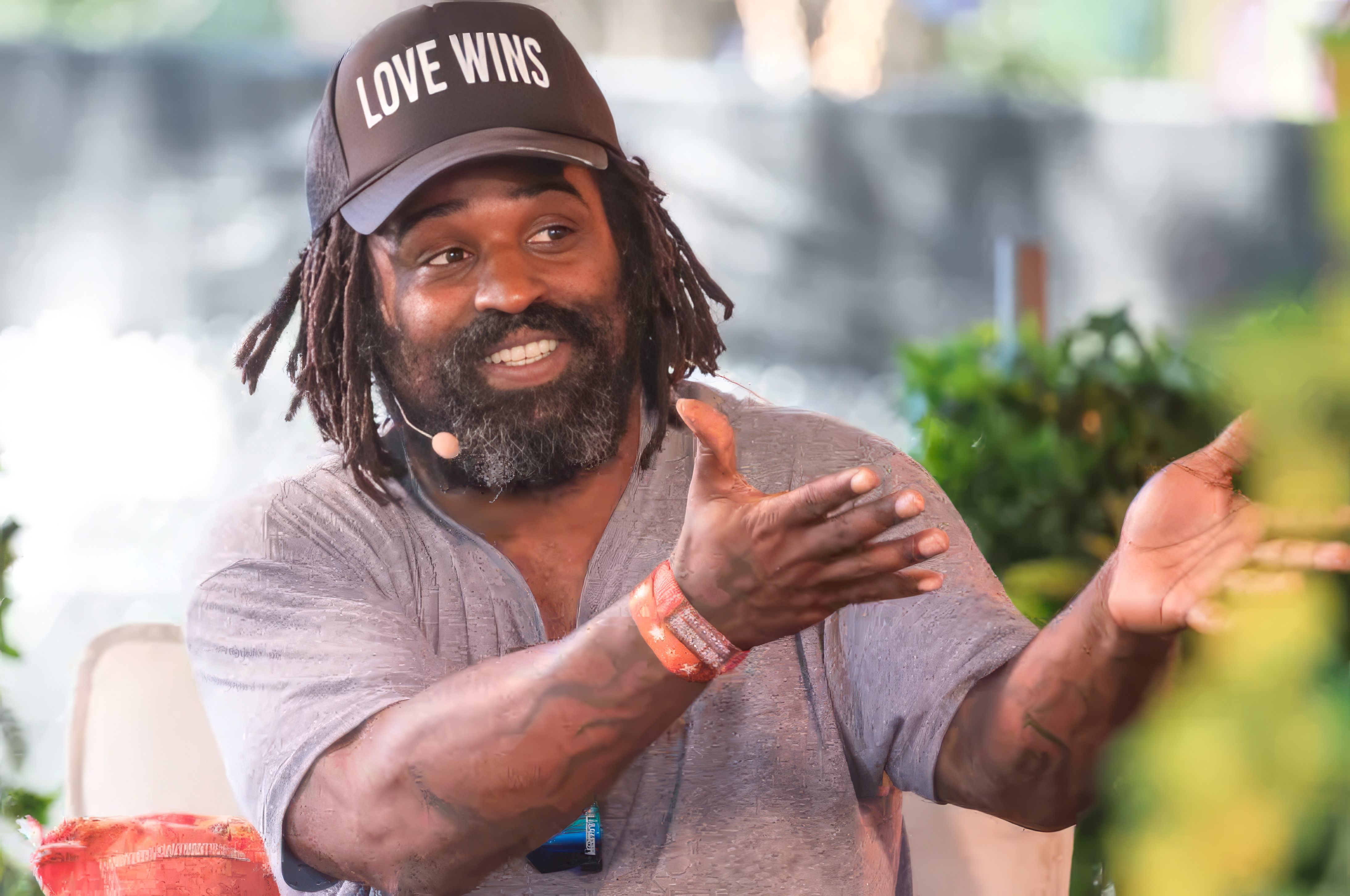
He doesn't narrate his journey. He lives it on camera, in parallel with each athlete — doing his own active work as the episodes unfold.
Across six episodes, Ricky corrects the public record around his own career: the walkaway that wasn't a breakdown, the suspensions that weren't recklessness, the years of silence that were actually something else entirely. His arc isn't backstory — it's the second story. Every episode asks the athlete a question Ricky is simultaneously asking himself.
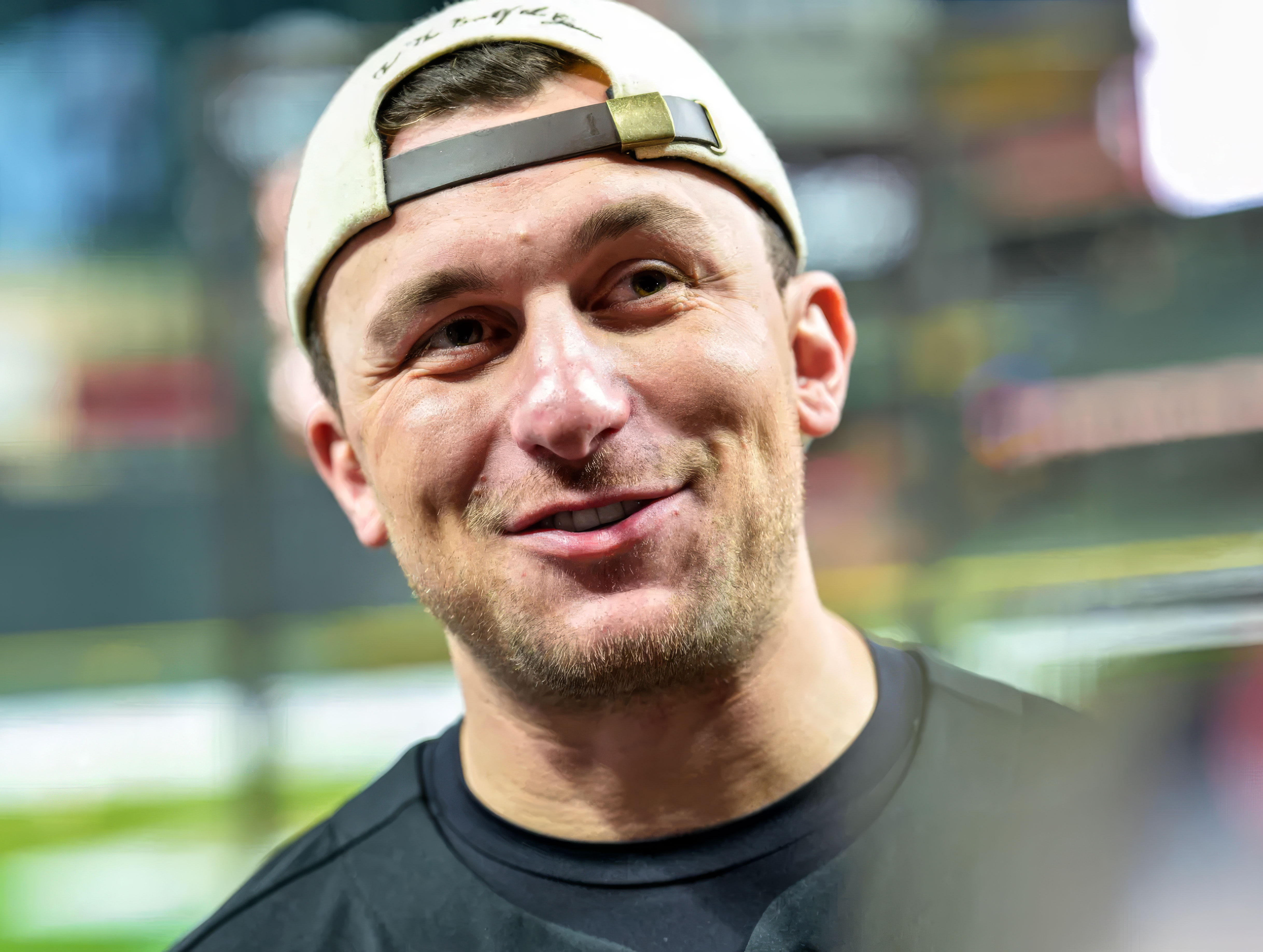
It was a total identity — and when the NFL was done with him at 24, it didn't disappear. It metastasized. Since then: a CFL comeback attempt, a public mental health disclosure, a stint in the Fan Controlled Football League, and a gradual, unfinished return to public life.
The struggle hasn't been private. It's been documented by everyone except someone he actually trusts. That's what this episode is.
Johnny Manziel is confirmed for the pilot. We're in active conversations with additional athletes. Ricky's relationships in this space run deep — and the access follows.
Six episodes. One athlete each. Ricky enters at the moment things get hard and stays until something shifts.
Ricky shows up. Not in a studio — at the athlete's house, their gym, their office, their city. At home, where the public version doesn't live. On the road, chasing the next version of themselves. In business, in recovery, in the middle of a transition nobody's filming. The first conversation is unscripted and stays that way.
Every athlete arrives with a version of themselves they've been giving to press for years. Ricky pushes past it — not aggressively, but persistently. He asks the same question a different way until the answer changes. The camera stays through all of it: the silence after a hard question lands, the phone call that doesn't go well, the training session that proves something is over.
Sometimes a decision made, a call placed, a thing finally said out loud. Sometimes a man realizing he's not ready and the camera recording that too. Whatever happens is the episode. There is no scripted ending — and that's the point.
Multiple visits over several weeks. A minimal crew — two cameras, no lighting rigs, nothing that signals "television." Trust is the methodology. Ricky's own parallel narrative builds across all six episodes into a single arc of his own.
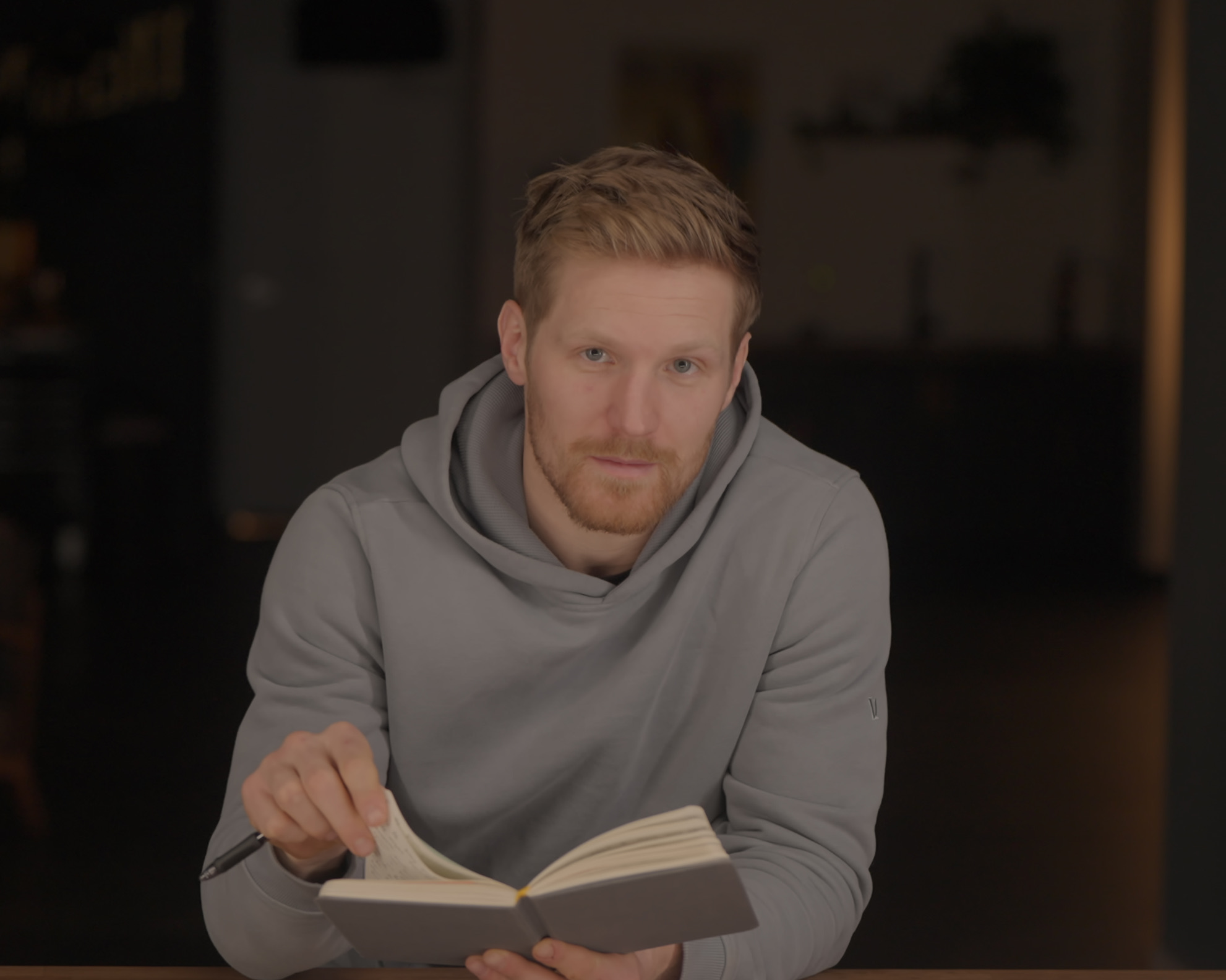
Before Athletes Die Twice, Fresh Tape produced A Clean Sheet — a documentary series about what happens when an athlete's future is suddenly taken away. What we found: the greatest challenges athletes face are often not physical, but existential.
We've always known this to be a powerful story of identity, support systems, and perseverance — which is why we approached production with an intimate crew, preferring a fly-on-the-wall approach and building a library of true and honest vérité footage. We committed to telling this story not because we knew how it would end, but because we believed it was one worth telling no matter the outcome. Our cameras were rolling through the most dramatic moments, capturing the highs and the lows as Gabe navigated a potential career-ending injury alongside his family and fans.
Fresh Tape Media is a boutique production company with offices in New York City and Denver, Colorado.